

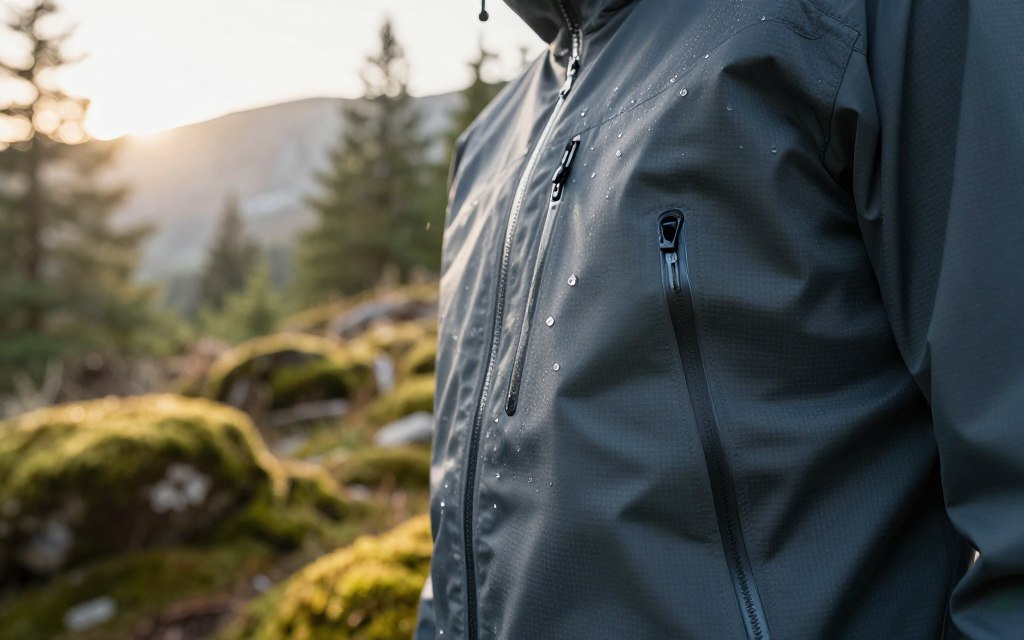
For outdoor enthusiasts, comfort matters during skiing, snowboarding, and hiking. What is Dryflight technology? Dryflight waterproof technology keeps outdoor gear comfortable and dry. This innovative technology blocks precipitation and melting snow while letting body heat and moisture vapor escape.
Comfort also depends on more than waterproofing. Fabric construction, seam sealing, ventilation, insulation, and layering help create breathable outdoor clothing and effective waterproof outdoor gear. Understanding these elements can improve your outdoor experience.
This article explores the history of waterproof gear, Dryflight’s layered construction, and its technical performance metrics. It compares Dryflight with Gore-Tex, eVent, and NeoShell and discusses its use in Burton products. It also explains performance in various weather conditions and gear maintenance for optimal use.
Key Takeaways
- Dryflight technology keeps outdoor gear dry and comfortable.
- Effective gear combines waterproofing with breathability.
- Factors like insulation and layering enhance comfort.
- Comparisons with Gore-Tex and eVent highlight performance differences.
- Understanding maintenance can prolong gear lifespan.
The Evolution of Waterproof Outdoor Gear Technology
Studying the history of waterproof clothing shows how outdoor gear materials have changed. People wanted to stay dry and comfortable in many kinds of weather. This need drove major progress in waterproof fabric technology.
Early Waterproofing Methods and Their Limitations
Early waterproofing used waxed cotton, rubberized fabrics, and oiled textiles. These materials blocked rain but often made clothing heavy, stiff, and uncomfortable. They added weight, reduced flexibility, and trapped perspiration.
These materials also became less durable with repeated use. Outdoor adventurers struggled to maintain comfort and performance. People learned to distinguish water resistance from true waterproof construction.
The Rise of Modern Membrane Technologies
As technology advanced, modern membrane solutions transformed waterproof gear. Microporous and monolithic membranes balance weather protection with moisture-vapor transfer. Polyurethane and expanded polytetrafluoroethylene (ePTFE) made clothing lighter and more versatile.
Manufacturers now use laminated textiles, seam tape, and precise techniques to improve performance. This gear blocks the elements while supporting breathability and comfort.
| Waterproofing Method | Advantages | Limitations |
|---|---|---|
| Waxed Cotton | Effective water resistance | Heavy and less breathable |
| Rubberized Fabrics | Durable and waterproof | Limited flexibility |
| Modern Membranes | Lightweight and breathable | Higher cost |
Understanding this evolution helps readers value modern waterproof gear. It also explains technologies such as Dryflight.
Related Posts:
- Is Artificial Intelligence Part of Information…

- What Is Instructional Technology in the Classroom…

- What Is Adidas Bounce Technology Cushioning for Performance
- What Is Predictive Technology Forecasting Future Outcomes

- Is Car Technology Evolving Key Innovations in Vehicles

- What Is Promotion Technology on iPad Pro Display…

What Is Dryflight Technology and How Does It Work?
Dryflight technology changes how outdoor enthusiasts handle wet conditions through its innovative design. It balances waterproof protection with breathability. Understanding what is Dryflight technology can improve your outdoor experience.
The Core Principle of Dryflight
Dryflight technology blocks liquid water while letting moisture vapor escape. It protects you from rain, snow, and surface moisture while allowing your body to breathe. This balance helps maintain comfort during many outdoor activities.
Multi-Layer Construction Explained
Dryflight technology uses a multi-layer design, typically with three layers. Each layer has a specific purpose that improves the gear’s performance. This approach supports three-layer outdoor clothing.
Outer Shell Layer
The outer shell is the first defense against the elements. It resists abrasion and sheds precipitation, protecting the layers beneath. This layer helps maintain the garment’s strength and durability.
Membrane Layer
At Dryflight’s center is the waterproof breathable membrane. It blocks water while supporting moisture vapor management. Its performance can change with design, pressure, temperature, humidity, and fabric setup.
Inner Lining Layer
The inner lining improves comfort with a soft surface next to the skin. It protects the membrane while managing friction and moisture. This layer supports moisture vapor management and the garment’s breathability.
The layers bond or assemble into one system with durability, flexibility, and comfort. A snowboarder sitting on wet snow benefits from this design. A hiker walking through steady rain benefits as well.
Breathability does not guarantee instant moisture removal. Ventilation zippers, base layers, activity intensity, and weather conditions also affect performance.
| Layer | Function | Key Features |
|---|---|---|
| Outer Shell Layer | Resists abrasion and sheds precipitation | Durable, weather-resistant |
| Membrane Layer | Provides waterproofing and vapor management | Breathable, varies by design |
| Inner Lining Layer | Enhances comfort and manages moisture | Soft, friction-reducing |
Key Features and Technical Specifications
Understanding Dryflight gear specifications helps you make informed outdoor gear choices. These details can shape your field experience, especially during challenging weather. Here are the key features that set Dryflight apart.
Waterproof Rating and Performance Metrics
The waterproof rating is a key measure of Dryflight gear’s water resistance. The hydrostatic head test measures pressure before fabric leaks; higher results suggest better waterproofing. Ratings aid comparison but cannot fully predict performance; fit, wear, compression, damage, and seam integrity also affect protection.
Breathability Standards
The breathability rating shows how well fabric releases moisture vapor for comfort during activity. Brands may use different tests, so breathability ratings can vary. Even breathable fabric may feel clammy in high humidity or when you wear too many layers.
Sealed Seams and Taped Construction
Seam sealing and taped seams improve Dryflight gear’s waterproof protection. Needle holes and panel joins can create weak points, even when fabric is waterproof. Seam sealing uses waterproof tape over seams, while waterproof zippers, storm flaps, adjustable cuffs, and powder skirts add protection.
Evaluate the complete garment instead of relying on the Dryflight name or one numerical specification. Knowing these features helps you choose better gear for outdoor adventures.
Comparing Dryflight to Other Waterproof Technologies
A waterproof technology comparison shows Dryflight’s strengths and trade-offs. Each technology has features for different outdoor activities. Knowing these differences helps you choose suitable gear.
Dryflight vs. Gore-Tex
Gore-Tex is a well-known waterproof-breathable membrane system. It has wide product availability and a record of proven performance. However, performance can vary by product generation, fabric package, and seam construction.
In a Dryflight vs Gore-Tex review, examine the specific product. Gore-Tex may work better in some conditions, while Dryflight offers strong alternatives, especially in Burton’s gear.
Dryflight vs. eVent
eVent is known for direct venting and moisture-vapor management. It lets sweat escape quickly, which can improve comfort during high-intensity activities. Still, comfort also depends on face fabric treatments and garment ventilation.
In a Dryflight vs eVent review, compare performance in real-world conditions. eVent may manage moisture better, while Dryflight’s construction can deliver comfort and performance for specific activities.
Dryflight vs. NeoShell
NeoShell focuses on air permeability and flexible, breathable waterproof protection. It balances breathability and waterproofing for many outdoor adventures.
Product specifications and construction remain important for every technology. For Dryflight vs NeoShell, assess each product’s intended use and features. This method helps you choose the best option for your activities.
Use a practical waterproof technology comparison framework to make an informed decision. Key factors include:
- Waterproof rating
- Breathability data
- Seam treatment
- Durability
- Weight and stretch
- Insulation
- Intended activity
- Warranty
- Price
- User reviews
Resort snowboarders, backcountry travelers, rainy-weather commuters, and occasional hikers may value different features. Understanding your needs helps you select the right gear.
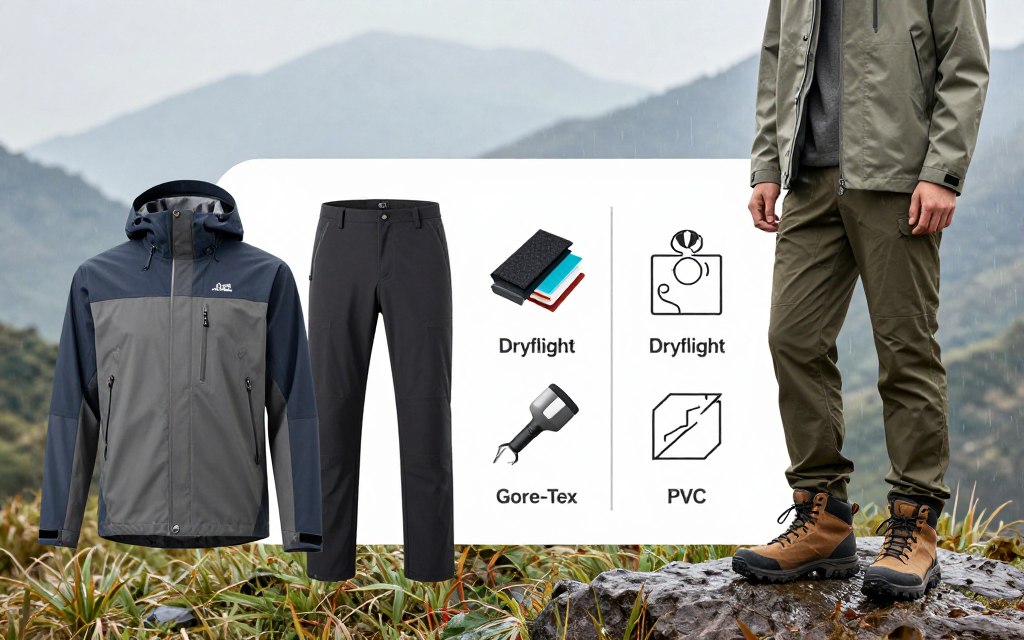
Applications in Burton’s Outdoor Gear Lineup
Dryflight technology in Burton products boosts comfort and protection for snowboarders. It helps gear stay functional and reliable in changing conditions.
Snowboard Jackets
Burton’s Dryflight snowboard jackets include several key features. Each Dryflight snowboard jacket supports comfort and protection on the mountain.
- Waterproof shells that keep you dry during heavy snowfall.
- Insulation options tailored for warmth without bulk.
- Powder skirts to prevent snow from entering the jacket.
- Helmet-compatible hoods for added protection.
- Venting systems that allow for temperature regulation.
- Strategic pocket placement for easy access to essentials.
- Movement-focused patterning for unrestricted mobility.
Snowboard Pants
When it comes to waterproof snowboard pants, Burton helps riders stay comfortable and protected.
- Protection from wet chairlift seats and snow.
- Reinforced high-wear areas for durability.
- Articulated knees that enhance movement.
- Adjustable waist systems for a personalized fit.
- Boot gaiters to keep snow out of your boots.
- Side vents for additional airflow during intense activities.
Gloves and Accessories
Burton’s snowboarding accessories must meet unique design challenges. Dryflight technology helps address them in several ways:
- Dexterity and warmth are balanced for optimal performance.
- Grip-enhancing materials ensure a secure hold on your gear.
- Thoughtful seam placement prevents water entry.
- Compact construction allows for easy storage and transport.
- Accessories may combine Dryflight with insulation and leather palms for added comfort.
Burton Dryflight gear needs more than a waterproof membrane to perform well. An unsuitable fit, missing features, inadequate cuff overlap, or limited mobility can hinder your experience. Check current product specifications and care labels before choosing gear for your adventures.
Performance Benefits in Various Weather Conditions
Dryflight gear performs well in many weather conditions. These features support all-weather outdoor clothing for cold, wet, and active conditions.
Cold and Wet Conditions
In cold and wet environments, waterproof gear for cold weather is crucial. Dryflight outer fabrics stop water from soaking clothing, while insulation layers reduce heat loss. Key features include:
- Sealed seams that block moisture
- Snow-specific designs to keep you dry
- Layering systems that enhance warmth
This combination helps in wet snow, freezing rain, and slush. Your base and mid-layers also affect how warm you feel.
High-Intensity Activities
For high-intensity activities, breathable gear for high-intensity activities is essential. Dryflight technology offers:
- Moisture vapor management to prevent overheating
- Pit zips and front-zip ventilation for adjustable airflow
- Breathable layers that aid in moisture management
Adjust your clothing before heavy sweat builds up. Breathability supports ventilation but does not replace it.
Extended Outdoor Exposure
During long periods outdoors, durability becomes essential. Dryflight gear excels with:
- Wind resistance to shield against harsh elements
- Robust seam construction for longevity
- Adjustable hoods and cuffs for a personalized fit
Maintaining the outer fabric’s water-shedding finish is also critical. However, condensation can form in low temperatures, and comfort can drop when the face fabric becomes saturated.
Proper Care and Maintenance for Dryflight Gear
To learn how to care for Dryflight gear, first read the garment’s care label. Proper care protects its waterproof and breathable features. The label lists washing temperatures, detergent types, and machine settings.
For how to wash waterproof clothing, use a mild technical-apparel detergent. Regular detergents, fabric softeners, and bleach can leave residue and reduce fabric performance. Close zippers and fasteners, remove loose items, and wash similar technical garments together to prevent abrasion.
Washing and Cleaning Best Practices
Follow these washing steps for waterproof jacket maintenance:
- Use cold water and a gentle cycle.
- Avoid fabric softeners and harsh stain removers.
- Do not overload the washing machine.
Drying and Storage Recommendations
After washing, dry your gear with care to prevent mildew. If the label allows, tumble dry it on low heat; otherwise, air-dry it. Store it fully dry in a cool, dry, ventilated place away from sunlight and sharp objects.
Restoring Waterproof Performance
Over time, your gear may repel less water because the outer fabric is worn or saturated. To restore DWR finish, or durable water-repellent finish, use manufacturer-approved reproofing products. Surface water beading is different from damage to the membrane or seams.
“Proper care is the key to extending the life of your outdoor gear.”
For significant damage, professional repair services may be needed. Avoid excessive heat and unapproved coatings because they can further damage your gear.
| Care Task | Frequency | Notes |
|---|---|---|
| Washing | After every 3-5 uses | Use mild detergent, cold water |
| Drying | After washing | Air dry or low heat if permitted |
| Reproofing | As needed | Use approved products to restore DWR |
Selecting the Right Dryflight Product for Your Needs
Choosing the right Dryflight product can improve your outdoor experience. Consider your activity level, climate, and budget before choosing gear. These factors help you find the best Dryflight product for your needs.
Assessing Your Activity Level
Your activity level guides your choice of Dryflight gear. For occasional resort use, choose comfort, affordability, good insulation, and convenient pockets.
If you often snowboard, hike, or do high-output backcountry activities, prioritize breathability and ventilation. Choose lightweight gear that supports layering and movement. Stronger materials can improve your performance during intense activities.
Climate Considerations
Different climates need different Dryflight features. In cold, dry environments, choose insulation and a strong waterproof rating. For wet snow or freezing rain, choose a strong shell and effective venting.
Use this snowboarding gear buying guide to choose versatile gear for maritime climates and changing spring weather. Adjustable hoods, cuffs, and layering compatibility can improve your comfort.
Budget and Value Analysis
Judge overall value, not only the price tag. Compare durability, repairability, warranty support, and waterproof clothing value. A higher upfront cost may save money when durable gear lasts longer.
Also consider versatility and seasonal use. Some products serve several purposes, which increases their value. A good fit is crucial, so ensure the garment fits base and mid-layers without restricting movement.
| Feature | Occasional Use | Frequent Use | Backcountry Activities |
|---|---|---|---|
| Insulation | Moderate | Lightweight | Minimal |
| Breathability | Standard | High | Very High |
| Weight | Standard | Lightweight | Ultra-Light |
| Waterproof Rating | Standard | High | Very High |
Before buying, check current product specifications, care instructions, and return policies. No single garment is ideal for every activity or climate. These factors help you choose waterproof outdoor gear that suits your needs.
Conclusion
Understanding Dryflight technology benefits helps anyone choosing waterproof breathable outdoor gear. This technology manages moisture and keeps you comfortable and dry during many outdoor activities. The full garment system affects performance: the outer shell, membrane, inner lining, and seam sealing work together.
Comparing Dryflight with Gore-Tex, eVent, and NeoShell shows product details often matter more than brand names. Burton gear, from jackets to gloves, may use different materials and performance features. Evaluate each item based on your needs and intended use.
To get the most from your comfortable dry outdoor apparel, consider your activity level and expected weather. Layer properly, follow care labels, and inspect seams and closures for wear. Restoring water-repellent performance helps your gear last longer.
Understanding Dryflight technology helps you make informed outdoor apparel choices. This knowledge helps you choose gear that keeps you dry and comfortable during any adventure.