

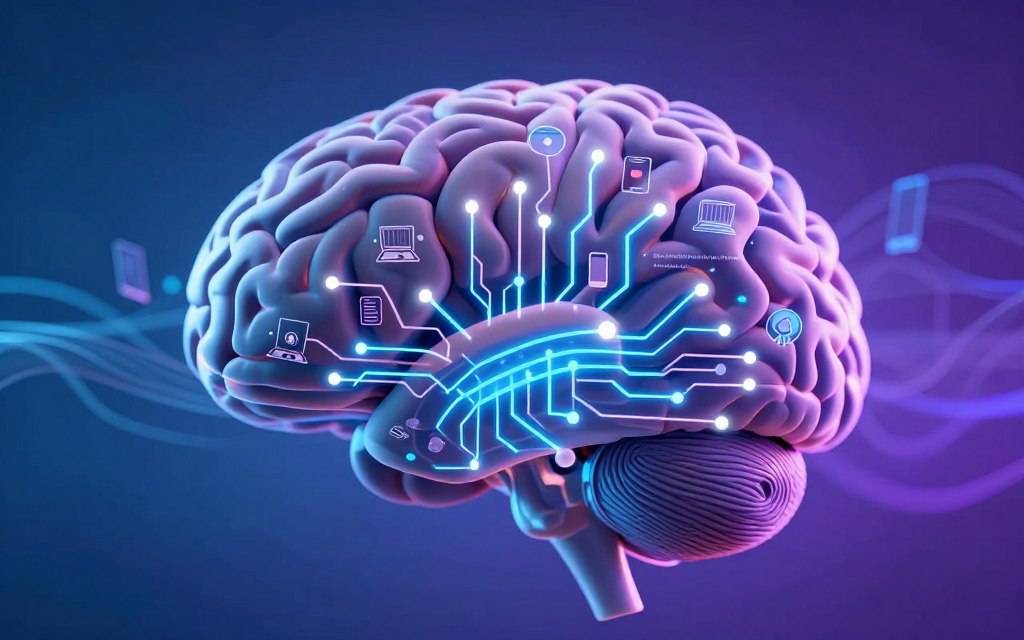
Is technology bad for our brains? Experts continue to debate how modern devices affect cognitive function. Some people link constant connection to attention and memory problems, while others praise digital tools. The effects of technology on the brain depend on many factors, so no simple answer exists.
Device type, time spent, age, and purpose all shape its effects. This article explores how screen time may support learning and creativity. It also examines sleep disruption and mental health challenges linked to device use.
Research often shows links rather than direct causes. Moderate, purposeful use may differ greatly from passive screen time. Understanding technology and the brain means considering both the amount and quality of digital use.
Key Takeaways
- Understanding the impact of devices on cognitive function requires a nuanced approach.
- Duration and purpose of use play critical roles in determining effects.
- Research often shows associations, not direct causation.
- Moderate use can have benefits, while compulsive use may lead to issues.
- Quality of screen time is as important as quantity.
The Modern Relationship Between Technology and the Human Brain
Technology and the human brain are changing together, shaping our daily routines. Digital devices like smartphones, tablets, and computers now help us work, learn, and connect. These modern technology habits let us hand navigation, scheduling, and information searches to devices.
Streaming platforms and artificial intelligence now shape entertainment choices and decisions. Constant alerts and content streams divide attention, raising concerns about digital devices and brain function.
How Digital Devices Have Reshaped Daily Life
Digital devices now offer quick information and easier communication. For example, remote work offers flexibility but can blur personal and professional boundaries. Many people multitask more, which may shorten attention spans.
Why This Question Matters More Than Ever
This question matters more as constant connectivity fills our lives. These changes affect children’s development, social media use, and mental health, making this question important. Understanding technology use and cognition helps us build healthy device habits.
“The greatest danger of technology is not that it will be misused, but that it will be used too much.”
| Aspect | Impact of Technology | Examples |
|---|---|---|
| Work | Increased flexibility | Remote working tools |
| Education | Enhanced access to resources | Online courses |
| Health | Improved tracking of wellness | Wearable devices |
| Entertainment | On-demand content | Streaming services |
For more insights on how technology shapes our lives, visit this resource.
Related Posts:
- What Is Instructional Technology in the Classroom…

- Is Artificial Intelligence Part of Information…

- How Information Technology Has Changed the World A…

- What Is Digital Technology in Media Transforming…

- What Is Predictive Technology Forecasting Future Outcomes

- How to Find Buried Technology in No Man’s Sky: A…

The Cognitive Benefits of Technology
Today, the cognitive benefits of technology include wider access to information and new ways to learn. Digital tools open access to learning opportunities once thought unimaginable. With a few clicks, users can find educational materials, online courses, and language-learning platforms for many learning styles.
Videos and interactive simulations support different learning preferences. Thoughtful design encourages active thinking instead of distraction. This is where technology and learning meet, creating a setting that supports knowledge acquisition.
Enhanced Access to Information and Learning
Digital technology has changed how we learn. Online libraries and educational websites offer instant access to expert instruction and diverse resources. This access lets learners study at their own pace while improving understanding and information retention.
Cognitive Training Through Apps and Games
Brain training apps and games are popular because they may improve certain cognitive skills. Some studies link puzzles and strategy games to specific abilities, but gains may not improve general intelligence or daily functioning. Users should choose credible tools that truly challenge the mind.
Activities on music platforms and interactive learning exercises can stimulate planning, working memory, and problem-solving. However, users need realistic expectations because not all “brain games” provide lasting benefits.
Improved Connectivity and Social Cognition
Social connection and technology help people maintain relationships. Video calls, online communities, and collaborative tools reduce feelings of isolation. They support meaningful interactions, especially when they add to, rather than replace, in-person connections.
Technology offers remarkable cognitive benefits, but results depend on its design, users’ engagement, and their goals. Used wisely, these tools can strengthen cognitive abilities and social ties.
For more insight into technology’s effects on our brains, read this article on technology and the human brain.
The Cognitive Risks and Drawbacks
The cognitive risks of technology include changes in attention, memory, and sleep. As we depend more on digital devices, understanding these risks becomes essential. This section examines technology’s effects on attention, memory, and sleep quality.
Attention Fragmentation and Reduced Focus
Attention fragmentation is one of the most notable cognitive risks of technology. Notifications, quick task-switching, and short-form content can make focus difficult. Studies show frequent interruptions raise mental switching costs and reduce productivity.
People may feel productive while multitasking, but their work often suffers. Complex tasks become harder, and sustained attention becomes more difficult. This trend raises concerns about our attention span and screen time.
Memory Impairment and the Google Effect
Memory impairment is another concern, often called the “Google Effect.” The Google Effect and memory are linked: we may remember where information is found, rather than the information itself. External memory tools can reduce mental effort, but they may also weaken recall.
As we rely more on search engines, we may become less able to retain knowledge. This change raises questions about technology’s value as a resource and the drawbacks of weaker memory.
Sleep Disruption from Screen Exposure
Screen time and sleep are linked: screen use can disrupt sleep patterns and cause cognitive problems. Screen exposure before bedtime can delay sleep and reduce sleep quality. Stimulating content, emotional arousal, and notifications can worsen this disruption.
Inadequate sleep can affect attention, memory consolidation, mood, and executive function the next day. Occasional device use may not cause irreversible damage, but excessive screen time can have lasting effects on cognitive health.
| Cognitive Risk | Description | Potential Impact |
|---|---|---|
| Attention Fragmentation | Difficulty maintaining focus due to constant interruptions. | Reduced productivity and quality of work. |
| Memory Impairment | Tendency to rely on external sources for information retention. | Decreased ability to recall important information. |
| Sleep Disruption | Negative effects of screen exposure on sleep quality. | Affects attention, mood, and cognitive function the next day. |
Is Technology Bad for Our Brains? Examining the Research
Current technology brain research examines whether technology harms brain health. Neuroimaging and screen time studies use MRI and functional MRI to track brain activity and structure in real-time. These tools show patterns, but they cannot prove that technology directly causes specific changes.
When examining screen time and child development, research suggests excessive use can displace sleep, physical play, and social interaction. Children who spend more time on screens may experience delays in language exposure and executive function. Recent studies report:
“The impact of technology on young minds is complex and often context-dependent.”
This complexity highlights the need for age-appropriate content and moderation.
For adults and older people, research on the technology and aging brain is equally complex. Technology can build social ties and support thinking, but it may also increase loneliness and distraction. One study found digital access may build cognitive reserve through online learning and social interaction, but sedentary behavior and disrupted sleep can offset these benefits.
Current research supports a balanced view of technology’s effects on our brains. The results depend on use patterns, content quality, and each person’s circumstances, not simply on harm or safety.
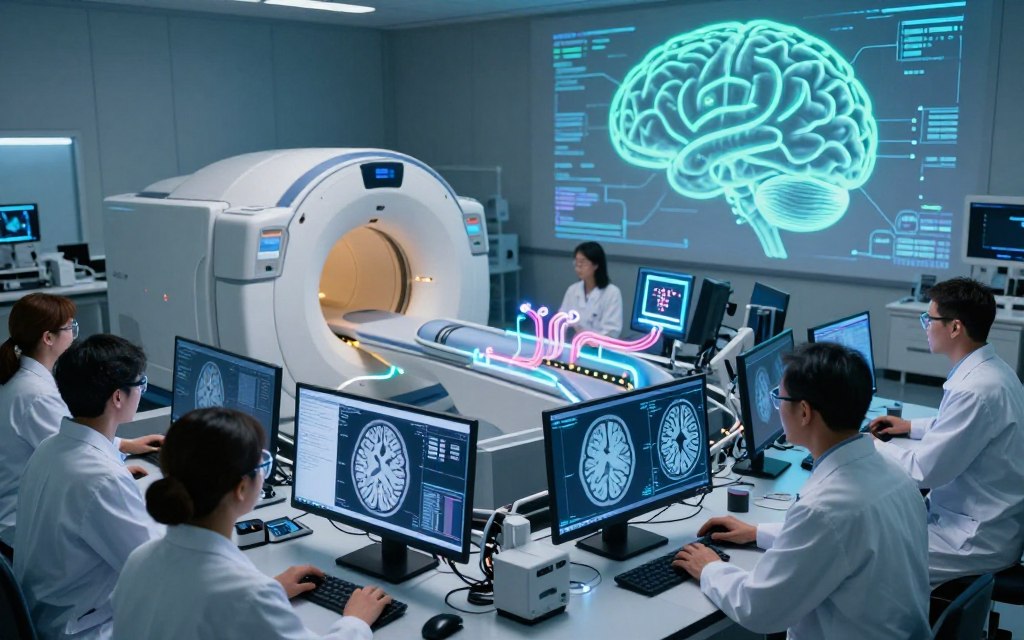
Technology’s Impact on Mental Health
The link between technology and mental health is complex. Digital platforms offer new ways to connect and express ourselves, but they also expose users to risks. Understanding these effects helps people navigate today’s digital world.
Anxiety, Depression, and Social Media
Social media can build community, but people in distress may use it differently, which can worsen their mental health. This link between social media and depression can also increase feelings of anxiety and depression. Users may feel pressure from comparisons, appearance ideals, and fear of missing out (FOMO).
Cyberbullying and Online Harassment
Cyberbullying and online harassment remain serious concerns. Victims may face humiliation, threats, and exclusion, causing lasting emotional distress. The cyberbullying effects can follow people across different settings, so communities must address these harms directly.
Digital Addiction and Compulsive Use
Compulsive technology use, or digital addiction, may involve lost control, neglected duties, and continued use despite harm. High engagement is not the same as clinically significant impairment. People with lasting anxiety, depression, or self-harm thoughts should seek qualified professional support.
Physical Brain Changes Linked to Technology Use
Recent research explores the link between technology use and physical brain changes. Because digital devices shape daily life, understanding structural brain changes and technology matters. Studies suggest heavy technology use may relate to structural brain differences, but researchers urge caution.
Neuroimaging studies often find different brain structures and activity among heavy technology users. These differences may reflect genetics, education, sleep patterns, stress, physical activity, mental health, or socioeconomic status. Thus, a structural difference does not prove brain injury, lower intelligence, or permanent harm.
Structural Brain Differences in Heavy Users
Research shows that heavy technology users may develop specific structural brain changes. For example, visual processing and multitasking areas may develop differently in frequent digital device users. This adaptation reflects the brain’s remarkable ability to reorganize itself in response to new experiences.
Neuroplasticity and Adaptation to Digital Tools
Neuroplasticity refers to the brain’s ability to adapt and change throughout life. The link between neuroplasticity and digital technology shows how the brain can adapt throughout life. This adaptability may help, have no effect, or cause harm, depending on technology use.
Digital navigation, gaming, and online collaboration require attention, memory, and decision-making skills. As we use digital technology, our brains learn to improve these skills. However, activities replaced by digital technology can also affect cognitive health.
Excessive screen time may reduce face-to-face interaction, which supports vital emotional and social development.
| Technology Use | Potential Brain Changes | Impact on Cognitive Skills |
|---|---|---|
| Heavy Gaming | Increased gray matter in visual processing areas | Enhanced visual-spatial skills |
| Social Media | Altered connectivity in social cognition networks | Potential for improved social awareness |
| Online Learning | Changes in memory-related structures | Better information retention and recall |
Neuroscience findings offer valuable insight into technology and brain structure. Researchers should combine them with behavior and real-world contexts. Longitudinal research is essential for firmer conclusions about technology’s effects on our brains.
The Role of Screen Time and Content Type
Screen time effects depend on the content people view and how they use it. Equal screen hours can affect the brain differently through passive screen time or active technology use.
Passive consumption, such as endless social media scrolling or noninteractive videos, may cause harm. It can replace sleep, exercise, and meaningful time with other people. In contrast, active engagement, such as creating content, solving problems, or joining discussions, may support thinking and social skills.
Yet active use is not always positive. Highly stimulating or harmful content may cause problems, whatever the level of engagement. Consider content quality along with the way someone uses the screen.
The American Academy of Pediatrics emphasizes a complete approach to screen time. The American Academy of Pediatrics screen guidelines consider family life, development, and content quality, not one universal hour limit. Parents and caregivers should make a family media plan, protect meals and bedtimes, discuss online safety, and model balanced technology use.
Always follow the latest AAP guidelines, and consult a pediatrician about specific developmental or health concerns.
Balancing Technology Use for Brain Health
Technology balance supports brain health. In our digital world, healthy technology habits can protect cognitive well-being. These practical strategies can help you find that balance.
Strategies for Mindful Technology Consumption
Before opening an app, decide why you need it. This supports mindful screen use and limits mindless scrolling. Turn off nonessential notifications, group messages into scheduled check-ins, and focus on your tasks.
Digital Detox Practices and Their Benefits
A digital detox may mean a short social media break or a planned reduction in specific apps. digital detox benefits include greater habit awareness, better concentration, and more sleep time. These detoxes do not cure mental health conditions, but they can improve overall well-being.
Building Healthy Tech Habits at Home and Work
At home, try device-free meals, shared media use, age-appropriate rules, and group talks about technology. At work, use meeting-free focus periods and realistic communication expectations. Gradual, sustainable changes work better than extreme restrictions.
The Future of Technology and Neuroscience
The future of neuroscience and technology promises major advances. Brain-computer interfaces (BCIs) may connect brains directly with outside devices. They could let neural signals control computers, prosthetics, and communication systems.
This technology could help individuals with paralysis or communication limitations. Imagine people with neurological conditions interacting with their surroundings through thought alone. Challenges include accuracy, training, privacy, safety, affordability, and long-term reliability.
Emerging Research on Brain-Computer Interfaces
Current research explores BCIs for mobility impairments and speech difficulties. A University of California study highlights transformative therapies for people with severe disabilities.
“The ability to decode brain signals could lead to transformative therapies for those with severe disabilities.”
Ethical Considerations in Cognitive Enhancement
As neurotechnology advances, cognitive enhancement ethics need careful attention. Cognitive enhancement uses technology, medications, or neurodevices to improve attention, memory, and overall cognitive performance. Benefits are clear, but informed consent, unequal access, and workplace coercion raise concerns.
Children and other vulnerable groups may face added risks. Who controls these technologies, and who benefits from them? Evaluating neurotechnology requires balancing its capabilities with ethical rules for its use.
| Aspect | Benefits | Challenges |
|---|---|---|
| Brain-Computer Interfaces | Assistive technology for disabilities | Accuracy and training issues |
| Cognitive Enhancement | Improved cognitive performance | Ethical concerns and access inequality |
| Neurotechnology | Innovative therapeutic approaches | Privacy and safety risks |
As we embrace the future of neuroscience and technology, we must prioritize responsible design and clear evidence. Healthy human boundaries will matter more as these technologies enter daily life.
Conclusion
The question of is technology harmful to the brain has no simple answer. Technology can improve learning, information access, and social connections. These benefits support brain health and thinking skills, but unregulated use can fragment attention, harm sleep, and raise mental health risks.
Understanding the link between brain health and screen time is essential. Balanced technology use means checking content quality and setting boundaries, especially for younger users. Regular screen breaks can reduce negative effects and support healthier habits.
Purposeful technology use supports cognitive and emotional well-being. Seek professional advice when technology use causes significant distress or impairment. The goal is not to eliminate technology, but to create an environment where digital tools enhance our lives.
These principles help people navigate the digital landscape, keeping technology a tool for growth rather than harm.